An easy way to understand ERP is to picture a company as a human body. Like a body, it has core processes that are vital to its health and functionality
Enterprise resource planning (ERP) is a software system that helps organisations streamline their core business processes—including finance, HR, manufacturing, supply chain, sales and procurement—with a unified view of activity and provides a single source of truth.
Introduction to enterprise resource planning
An easy way to understand ERP is to picture a company as a human body. Like a body, it has core processes that are vital to its health and functionality—instead of sleeping and digestion, think supply chain and sales. While many of these processes take place independently, they are still linked by how they impact the body—or the business—as a whole. This also means that issues with one process can and often do affect the rest.
An ERP software system acts as an enterprise's central nervous system, helping efficiently manage all these crucial processes and operations by connecting them together in an integrated system.
The history and evolution of ERP
ERP’s modest beginnings date back over a century, in the form of a paper-based manufacturing system for production scheduling. In the early 1960s, manufacturing companies began adopting computerised business applications. They were faster and more accurate than manual processes—but also expensive, limited in functionality, and still rather slow.
These pioneering applications led to the development of dedicated, standalone solutions such as sales order processing and material requirements planning (MRP), which new software was eventually able to integrate into a single system that enhanced operational efficiency. By the 1990s, ERP had transformed the technology sector by serving a broader range of business activities across multiple industries.
Faster internet speeds and new software development tools have further revolutionised ERP suites. The introduction of browser-based software paved the way for cloud ERP, greatly expanding the adoption, scope, and functionality of ERP solutions.
Today’s ERP systems include artificial intelligence (AI) technology, such as genAI, and AI agents and assistants. These capabilities help businesses transform their operations and remain competitive by automating tasks, predicting outcomes, and guiding smarter decisions across finance, supply chain, and more.
Why is enterprise resource planning important?
Most or all of an organisation's data should reside in the ERP system to provide a single source of truth across the business. For example:
Finance requires ERP to quickly close the accounts
Sales require ERP to manage all customer orders
Logistics relies on well-functioning ERP software to deliver the correct products and services to customers
Procurement utilises ERP to source goods and services and manage supplier relationships
Accounts payable uses ERP to pay suppliers correctly and on time
Management requires immediate visibility into the company's performance to make timely decisions
Banks and shareholders require accurate financial records, so they rely on reliable data and analysis made possible by an ERP system
ERP examples by industry
How organisations rely on their ERP software varies significantly depending on the industry. Nonetheless, businesses in every industry—from automotive to wholesale distribution—need accurate, real-time information and effective business processes to compete and thrive.
Here are just a few examples of industry-specific ERP use cases:
Manufacturers
Discrete, batch, and continuous process manufacturers rely on ERP to meet product quality objectives, manage asset utilisation, control overtime costs, and more. Manufacturers also gain end-to-end stock control by monitoring stock movements, identifying best- and worst-performing products, and managing procurement more efficiently.
Retailers
Retail underwent a significant transformation when physical shops merged with e-commerce and other digital sales channels. Consistent, integrated data is crucial for providing self-service options for identifying, configuring, purchasing, and shipping products. ERP also helps retailers reduce basket abandonments, improve website conversions, and boost average order value.
Service-centric companies
Professional accounting, tax, engineering, and legal services require powerful, real-time mobile ERP technology to balance service delivery commitments with financial health. The ability to stay on schedule while managing project profitability, resource utilisation, and growth opportunities is key for professional services.
Utilities
Utility companies need to constantly review their capital assets, not only to meet demand for future services but also for the replacement of ageing assets. Without ERP, managing these asset investments is a challenging, error-prone process.
ERP also helps address another critical issue for utility companies—forecasting spare parts. Not having the correct parts during an outage creates a significant customer service issue. On the other hand, having too many spare parts means excessive costs and obsolete stock.
Wholesalers
Wholesalers, importers and direct store delivery firms wish to reduce distribution costs, increase stock turnover, and shorten the order-to-cash time. To achieve these goals, they need integrated stock management, logistics functionality, and customised automated processes.
How do ERP systems work?
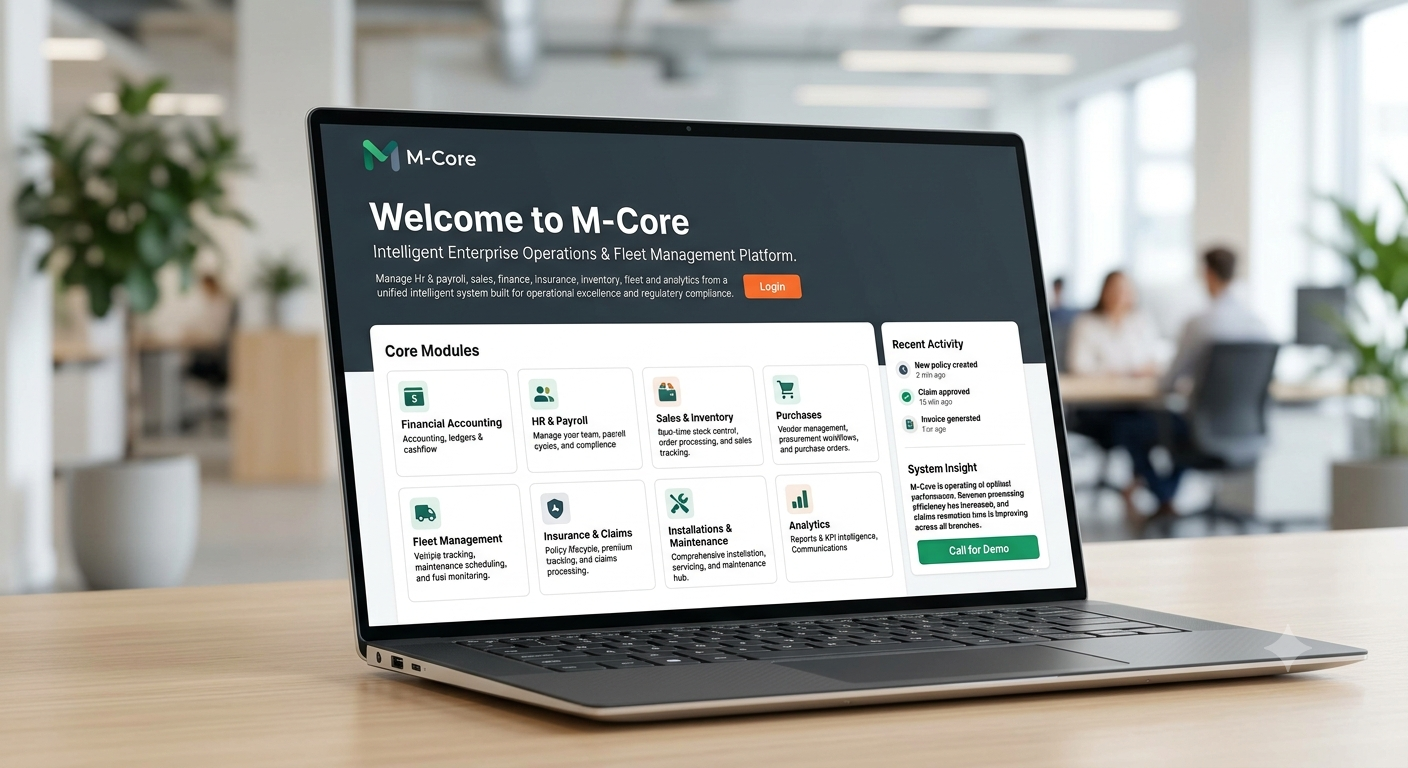
An ERP system consists of integrated module solutions or business applications that share a common database which connects them and allows them to communicate with each other. Each ERP module typically focuses on one business area, but they work together using the same data to meet the company's needs.
Companies pick and choose the module solution they want—such as finance, logistics, procurement, and HR—and can add and scale as needed. ERP systems can also support industry-specific requirements, either as part of the system's core functionality or through application extensions that integrate with the suite of modules.
Disclaimer:
The views expressed on this site are those of the contributors or columnists, and do not necessarily reflect 24HourBusiness.com's position. 24HourBusiness.com will not be responsible or liable for any inaccurate or incorrect statements in the contributions or columns here.
The African Organisation for Standardisation (ARSO) and the Ghana Standards Authority (GSA) are advancing preparations for the 33rd ARSO General Assembly and Golden Jubilee Celebrations, which Ghana is expected to host in 2027. ARSO Secretary-General Dr. Hermogène Nsengimana met with GSA Director-General Prof. George Agyei and management to review preparations and strengthen collaboration ahead of the continental event.
AngloGold Ashanti has donated GH¢445,000 to the Ghana Armed Forces to support the Burma Camp Redevelopment Project, an initiative aimed at addressing the military's longstanding accommodation deficit and improving living conditions for personnel. The donation was received by the Chief of the Defence Staff, Lt Gen William Agyapong, during a courtesy visit by an AngloGold Ashanti delegation

 Business & Finance