The Ghana Standards Authority has unveiled a comprehensive strategy to modernize Ghana's automotive industry through international standards, local manufacturing, electric mobility and investment opportunities.
Accra, Ghana – The Ghana Standards Authority (GSA) has unveiled an ambitious strategy to transform Ghana's automotive sector from a largely import-driven market into a modern, standards-based industry that supports manufacturing, innovation, investment and job creation.
The roadmap, presented to industry stakeholders, outlines a comprehensive framework that extends far beyond regulating imported vehicles. Instead, it seeks to establish internationally recognised standards across the entire automotive value chain, positioning the sector as a major contributor to Ghana's industrial and economic development.
A Vision Beyond Vehicle Imports
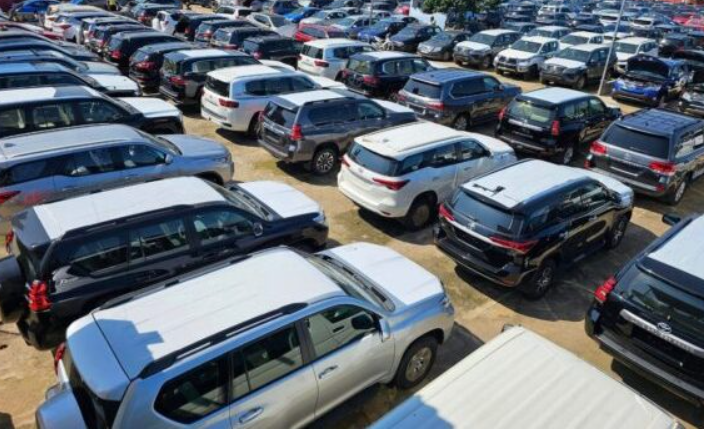
According to the GSA, Ghana's automotive industry should not be viewed merely as a market for imported vehicles but as an integrated ecosystem comprising manufacturers, assemblers, importers, dealers, component suppliers, mechanics, financiers, insurers and technology providers.
The Authority's proposed framework covers critical sectors including vehicle manufacturing and assembly, importation, distribution, spare parts, maintenance, financing, insurance, vehicle software, electric mobility and recycling.
Officials believe strengthening standards across these sectors will improve product quality, consumer safety and investor confidence.
Driving Industrial Growth
The presentation links automotive standards directly to Ghana's industrialisation agenda.
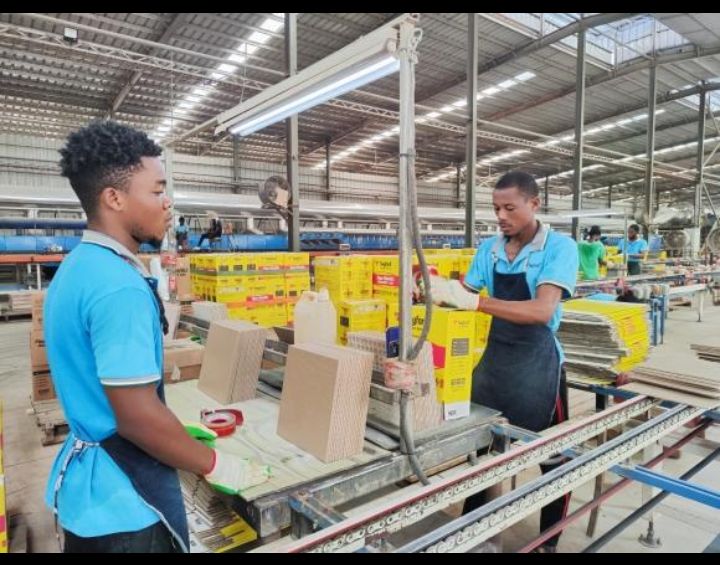
By creating a predictable regulatory environment supported by internationally recognised standards, Ghana aims to attract greater investment into vehicle assembly, component manufacturing and related services.
The strategy is also expected to create new employment opportunities for engineers, technicians, inspectors, software developers and automotive service professionals as the industry expands.
Technology at the Centre of Reform
One notable feature of the roadmap is its recognition of technology as an essential component of the future automotive industry.
Vehicle software, digital systems and emerging technologies are identified as important elements of the automotive value chain, highlighting the growing role of digital innovation in vehicle management, inspection, certification and compliance.
The inclusion of technology creates opportunities for local software developers to build digital platforms supporting vehicle inspections, certification, licensing and regulatory compliance.
Preparing for Electric Mobility
The GSA also highlighted its ongoing work to prepare Ghana for the transition to electric vehicles.
According to the presentation, the Authority has already developed 49 standards covering electric vehicle charging infrastructure and 51 standards relating to electric vehicles, providing the regulatory foundation needed to support future investments in electric mobility.
Industry experts believe these standards will become increasingly important as global vehicle manufacturers accelerate the shift toward cleaner transportation technologies.
New Opportunities for Businesses
The proposed reforms are expected to create business opportunities across several sectors.
Inspection and certification firms, automotive training institutions, technology companies, financial institutions, insurance providers and authorised service centres are likely to play increasingly important roles under the new regulatory framework.
Companies capable of delivering digital compliance solutions, conformity assessment services and automotive data management systems could also benefit as regulatory requirements evolve.
Building Consumer Confidence
Ultimately, the GSA's vision seeks to improve confidence in Ghana's automotive market by ensuring vehicles, components and related services meet recognised quality and safety standards.
If successfully implemented, the strategy could position Ghana as one of West Africa's leading markets for standards-driven automotive trade while supporting broader national objectives of industrialisation, technology development and sustainable economic growth.
 Manufacturing & Industry