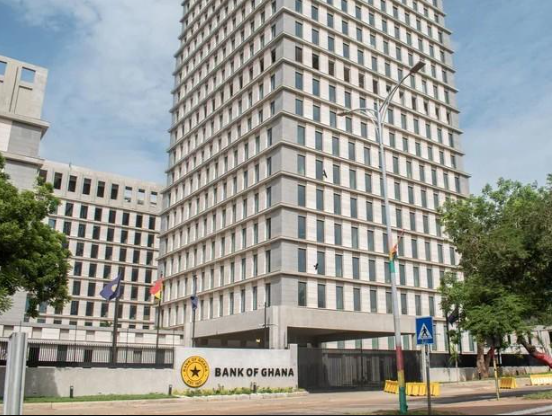
Digitalizing Ghana’s Import & Export Sector: The Key to Unlocking the 24-Hour Economy
Every year, thousands of Ghanaian businesses import essential machinery, raw materials and pharmaceuticals while exporting cocoa, gold, cashews and manufactured goods. However, the path through Ghana's ports remains fraught with friction.
ACCRA, Ghana – Ghana has set an ambitious target of transforming its economic landscape through the 24-Hour Economy and Accelerated Export Development Programme. This national agenda aims to aggressively boost local production, promote exports, create jobs, and elevate Ghana’s global competitiveness.
Yet, while macro-level policies focus on industrialization, the micro-level reality is quite different. Importers and exporters continue to fight severe operational bottlenecks that drive up business costs and choke the movement of goods.
Industry stakeholders increasingly agree on one core truth: digital transformation specifically system interoperability; is the missing link required to build a globally competitive trading ecosystem.
The Fragmented Reality at the Ports
Every year, thousands of Ghanaian businesses import essential machinery, raw materials and pharmaceuticals while exporting cocoa, gold, cashews and manufactured goods. However, the path through Ghana's ports remains fraught with friction.
The root problem isn't a lack of computers; it's a lack of communication. A single shipment requires distinct touchpoints across dozens of independent institutions:
Because these entities operate on independent, isolated software platforms, businesses are forced to repeatedly submit identical data across multiple portals. This duplication directly dilutes the efficiency gains of past single-window initiatives.
Beyond Customs: A Metric of True Digitalization
For too long, "digitalization" at the ports has been treated merely as filling out online customs declarations. True transformation requires a fully integrated supply chain that replaces manual oversight with real-time, automated operational visibility.
The Interoperability Standard: A modern trade ecosystem must connect regulatory approvals, electronic payment rails and smart warehouse inventory into a single dashboard.
Current Bottlenecks
The Interoperable Solution
Manual Oversight: Redundant paper documentation & physical risk checks.
Blind Spots: Limited visibility into shipment status and transit delays.
Real-Time Data: Live cargo tracking, automated alerts, and remote inventory sync.
Siloed Systems: Separate portals for GRA, FDA, GSA, and commercial banks.
Single Source of Truth: Unified APIs allowing cross-agency data sharing instantly.
Unlocking the 24-Hour Economy
The government’s 24-Hour Economy initiative cannot succeed if the logistics backbone supporting it goes to sleep at 5:00 PM. Round-the-clock factory production is useless if finished goods sit stranded in a warehouse waiting for a manual cross-agency approval the following morning.
A functional 24-hour trading environment requires technology to act as the tireless backbone of continuous trade. This means digital customs processing, automated inspection scheduling, electronic cargo release and AI-powered logistics planning must operate seamlessly through the night.
The Innovation Imperative for Private Sectors & Associations
While state systems lay the foundation, private sector innovation must drive the rest of the ecosystem. Fintech firms, supply chain analytics startups and logistics providers have a massive opportunity to build out specialized trade finance platforms, fleet tracking tools and import management software.
Crucially, trade associations representing manufacturers, freight forwarders and exporters must also digitize their own houses. Moving away from printed circulars and manual membership rolls toward digital member portals featuring digital IDs, instant regulatory alerts, and electronic certificate verification will transform these groups from passive clubs into active, data-driven business networks.
A New Era for West African Trade
As Ghana positions itself as the preferred manufacturing and logistics hub for West Africa, physical infrastructure like roads and ports is only half the equation. The infrastructure of the future is digital.
The ultimate success of the 24-Hour Economy depends entirely on the velocity of trade: how quickly data, regulatory approvals, secure payments and physical goods move across the value chain. The future of international trade belongs to those who eliminate friction today.
Editor’s Insight – 24HourBusiness.org
As Ghana advances initiatives like the Pre-Export Verification of Conformity (PVoC) and the National Single Window, interoperability stands as the definitive next frontier.
The challenge is no longer about moving from paper to screen; it is about forcing independent institutional software to talk to one another. Achieving total cross-platform integration will fundamentally lower the cost of doing business, drastically reduce cargo dwell times, and securely anchor Ghana as the commercial gateway to West Africa.
Disclaimer:
The views expressed on this site are those of the contributors or columnists, and do not necessarily reflect 24HourBusiness.com's position. 24HourBusiness.com will not be responsible or liable for any inaccurate or incorrect statements in the contributions or columns here.
The Government of Ghana is set to formally hand over the cleared right-of-way for the Accra–Kumasi Expressway Project at Ejisu-Kwaso on 14 September 2026. The milestone is expected to pave the way for subsequent stages of the major road infrastructure project, which is aimed at improving connectivity, transportation efficiency and economic activity along the Accra–Kumasi corridor.
Sep 13, 2026
381
Event Media Gallery
Premium Industrial Header Ad Zone Space (Available for Placement)

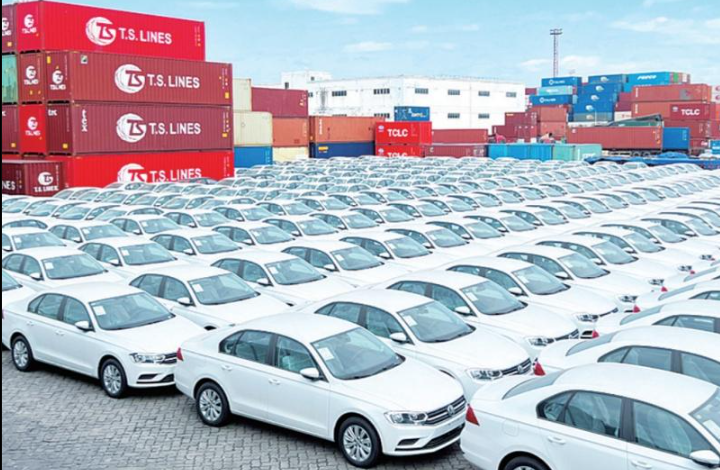 Export, Trade & Logistics